Table Of Content
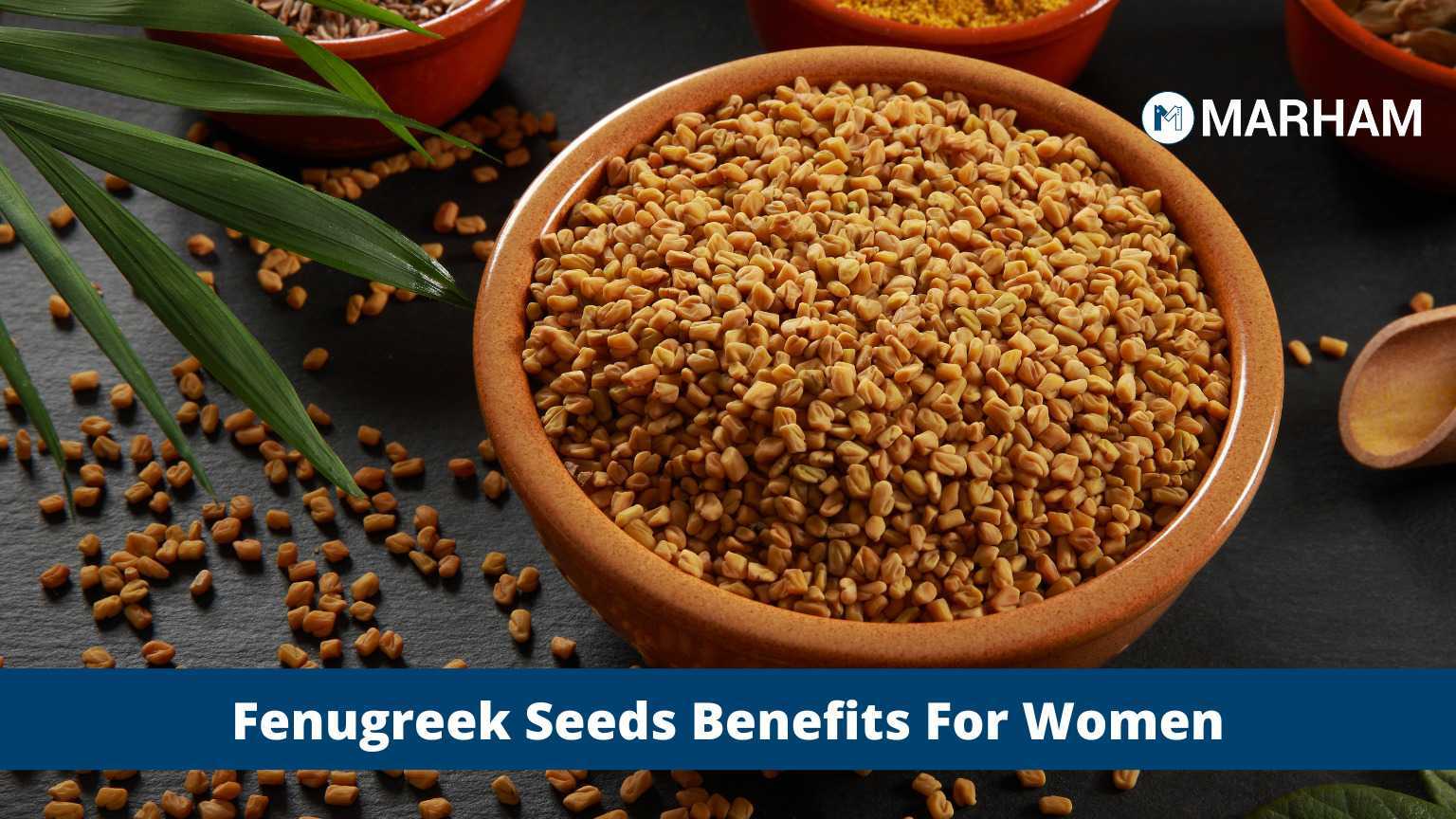
Evidence suggests that fenugreek and garlic might help breastfeeding parents make more milk for their infants to achieve a healthy weight. In a small clinical trial, 50 study participants took two capsules of 500 milligrams (mg) of Furocyst daily for 90 days. At the end of the clinical trial, 46% of participants had smaller ovarian cysts—with an additional 36% experiencing no more cysts. Moreover, 71% of study participants reported regular periods—while 12% became pregnant.

Beware of these 7 health hazards of prolonged sitting!
The fenugreek seeds for hair strengthen hair follicles and thereby promote hair growth. It may be used topically in the form of shampoo, hair oil, conditioner, or simply a rinse. Also, it could be consumed in raw form with water, roasted form, and more.
Fenugreek Seeds Benefits for Hair
Drinking it in tea is simply another form of sipping the benefits of fenugreek seeds. This miraculous combination of two powerful ingredients can help treat hair fall issues, promote hair growth and moisturize the hair. The lecithin present in fenugreek nourishes the hair, strengthens the roots and heals the scalp. Packed with important nutrients such as iron, vitamin E and vitamin K, coconut oil helps boost hair growth.
Amla and Fenugreek Hair Mask For Dandruff
This Dr. Axe content is medically reviewed or fact checked to ensure factually accurate information. Alternatively, you may use a spoonful of fenugreek paste mixed with a cup of coconut milk. Before trying fenugreek as a medical herb, make sure there are no interactions with any pharmaceutical medications you may be taking.
How To Use Fenugreek Oil For Skin Benefits
Eat Methi Seeds For Thick, Lustrous Hair - India.com
Eat Methi Seeds For Thick, Lustrous Hair.
Posted: Thu, 20 Jun 2019 07:00:00 GMT [source]
Since both fenugreek seeds and onions have been used as a hair loss treatment for centuries, there are several traditional methods to use them in a hair mask. The benefit of fenugreek powder for hair lies in its nutritional breakdown. "Fenugreek is a rich source of iron and protein, which are essential nutrients for hair," explains Luke.
Whilst research on the efficacy of Fenugreek on reviving damaged hair is limited, there is one study that was conducted by (Schulz C.Bielfedt,2006) that suggest some validity to these claims. The seeds and leaves have a distinct aroma and a slightly bitter flavor. Both are frequently used in Indian, Middle Eastern, and North African cuisines. Fenugreek can be found in curries, stews, spice rubs, and teas. As such, you should try to strike a good work-and-life balance.
Some research indicates that topical application with fenugreek extract may help treat scalp irritation and dandruff. This older human study from 2006 in 53 people evaluated the effect of a 300-mg daily oral dose of fenugreek seed extract over the course of 6 months (6). Meanwhile, if you want to try using fenugreek to promote hair growth, you have two choices. Various plant compounds in fenugreek may interact with a chemical in the body that is known as DHT (dihydrotestosterone). If DHT attached itself to your hair follicles, the result, sooner or later, would be hair loss.
If your hair problems are caused by a hormonal imbalance, then drinking warm fenugreek water will definitely be beneficial. Read more to know about the benefits, usage method, and side effects of fenugreek seeds for hair. The ancient Romans used fenugreek seeds to aid in labor and delivery. While the ancient Chinese used fenugreek seeds as a treatment for edema and digestion upset. In India, fenugreek seeds have been used as lactation support for nursing mothers, and are a common household spice and used in traditional dishes.
The creatine/fenugreek group showed significant increases in lean mass, bench press and leg press strength. Beyond enhancing flavor, fenugreek has been shown to increase appetite, which results in restorative and nutritive properties. Fenugreek seeds have a somewhat bitter taste, similar to celery, maple syrup or burnt sugar, and are often used to make medicine.
Hair loss treatment: The herbal supplement shown to significantly improve hair loss - Express
Hair loss treatment: The herbal supplement shown to significantly improve hair loss.
Posted: Tue, 21 Apr 2020 07:00:00 GMT [source]
Therefore, talking to your healthcare provider about any supplements you plan to take and checking in about potential interactions with other supplements or medications is important. Chief among the reasons why this is the case is the fact that fenugreek oil is rich in not just iron and protein, but calcium, potassium, and vitamins A, C, and K. So it is always a handy nutrient to have more of when trying to grow more hair. As alluded to above, fenugreek oil has anti-inflammatory qualities, and that’s a big deal when it comes to proper skin and hair care. Few things can wreak havoc on your skin and hair more than inflammation.
The dietary fiber in fenugreek seeds may help reduce glycemia in people with type 2 diabetes. Fenugreek may also have health benefits beyond beautiful hair and skin. Discover what you might achieve with fenugreek oils, powders, teas, and seeds.
Always use caution with dyed hair and spot test in small areas before applying masks liberally. Meaning it’s unclear whether or not the hair regrowth is due to fenugreek or one of the other herbs. One small study in Cosmetic Medicine, which included 53 people, found that 300 milligrams of fenugreek seed extract over six months seemed to improve hair density and strength. Nature’s Velvet Lifecare Fenugreek Pure Extract promises to serve 500 milligrams of fenugreek extract.
Fenugreek contains Nicotinic acid, Vitamin A, and a high concentration of Iron. Increased blood flow enhances the scalp’s nutritional levels and nourishes the hair follicles. Methi, often known as fenugreek, can be found on any Indian spice rack.
Speaking of its health benefits, fenugreek seeds are excellent for people with diabetes as they can help in stabilizing blood sugar levels and stimulating the production of insulin in the body. The current early research on fenugreek seeds is promising for its benefits on addressing hair loss, but the mechanisms are not totally understood. A current hypothesis is that fenugreek seeds may help to stimulate blood circulation to the hair follicles. The nutrient profile of the seeds may also support repleting essential nutrients needed for hair growth as previously described. The seeds also contain phytoestrogens, which have been shown to decrease DHT (dihydrotestosterone), a potent form of testosterone also referred to as an androgen. These small but mighty seeds have been used for centuries in traditional medicine and cooking, and research has now shown that they may offer a range of impressive health benefits.


No comments:
Post a Comment